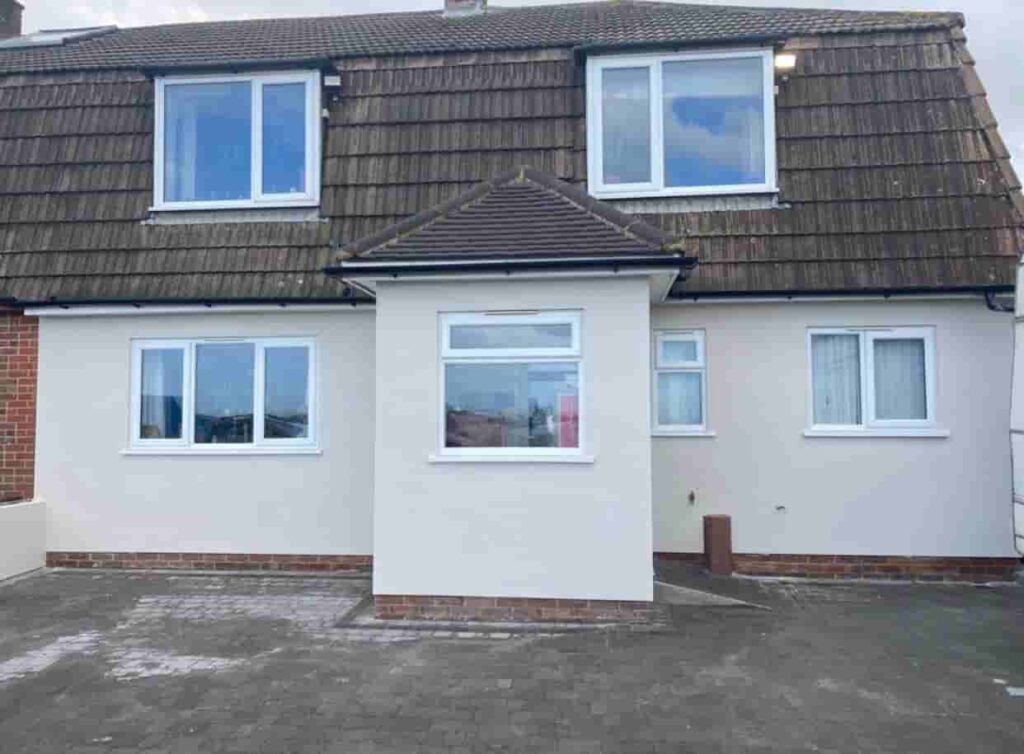
Roof tiles are designed to protect a property from rain, wind and changing weather conditions. However, tiles can become loose or slip out of position over time, leaving gaps in the roof covering and increasing the risk of water ingress. Even a single displaced tile can expose vulnerable parts of the roof to the elements.
For homeowners in Erith, Greater London, recognising the signs of slipped roof tiles early can help prevent minor defects from developing into more serious roofing problems. Erith Roofing Repairs provides professional roofing services to identify damaged or displaced tiles and carry out suitable repairs to help maintain a secure, weather-resistant roof.
What Causes Roof Tiles to Slip?
Roof tiles are usually secured through a combination of overlapping courses, battens, fixings and the design of the roof itself. When these components deteriorate or become damaged, tiles may shift, lift or fall from their original position.
1. Strong Winds and Severe Weather
Strong winds can place considerable pressure on roof coverings, particularly around roof edges, ridges and exposed sections. If tiles have weakened fixings or were not secured correctly, gusts can lift them and move them out of alignment.
Heavy rain can then enter through the gaps left behind, potentially affecting the roof felt, battens and internal structure. After particularly windy weather, it is sensible to look for visible changes to the roof from ground level.
If you notice displaced tiles or suspect storm damage, arrange a professional inspection rather than attempting to reach the roof yourself.
2. Ageing or Damaged Roof Fixings
Roof tiles rely on suitable fixings to remain securely in place. Nails, clips and other securing components can deteriorate over time, depending on their material, installation and exposure to moisture.
When fixings corrode, loosen or fail, tiles may begin to slide down the roof slope. This can leave neighbouring tiles less secure and increase the likelihood of further movement.
A roofing specialist can inspect the affected section, identify any failed fixings and determine whether the tiles can be safely refitted or need replacing.
3. Cracked or Broken Roof Tiles
Tiles may crack due to impact, falling branches, weather-related stress or gradual deterioration. A damaged tile may initially remain in position before moving under wind pressure or changes in temperature.
Cracked tiles can allow rainwater to penetrate the roof covering, even when they have not visibly slipped. If a broken tile shifts completely, the resulting opening can expose the layers beneath it to moisture.
Replacing damaged tiles promptly helps restore the roof’s protective covering and reduces the risk of further deterioration.
4. Deteriorating Roof Battens
Roof battens provide the supporting framework to which many roof tiles are fixed or hung. If battens become weakened by prolonged moisture exposure or timber decay, the tiles may lose the support needed to remain correctly positioned.
This type of problem can be more difficult to identify from the ground because the visible symptoms may appear similar to ordinary tile movement.
If several tiles have slipped in the same area or the problem keeps returning after repairs, the underlying battens and surrounding roof structure may need closer examination.
5. Poor Installation or Previous Repairs
Incorrectly positioned tiles, unsuitable fixings or inadequate installation can create weaknesses that become apparent over time. Previous repairs may also fail if the original cause of the movement was not addressed.
For example, simply repositioning a tile will not provide a lasting solution if the fixing has failed or the supporting batten is damaged.
A professional roofer can assess the affected area and recommend repairs that address the underlying problem rather than just its visible symptoms.
Warning Signs That Your Roof Tiles Have Slipped
Not all roofing defects are immediately obvious, but several signs may indicate that repairs are needed:
- Tiles that appear uneven, misaligned or lower than the surrounding rows.
- Visible gaps in the roof covering.
- Broken tile fragments around the property.
- Water stains on ceilings or upper-floor walls.
- Damp patches in the loft following rainfall.
- Repeated movement of tiles in the same section of the roof.
A leak inside the property does not always mean a tile has slipped directly above the affected area. Water can travel beneath the roof covering before becoming visible indoors, so identifying the actual entry point is important.
If you notice these warning signs at your property in Erith, Greater London, a professional roof inspection can help establish the cause and the work required.
When Should You Arrange Slipped Roof Tile Repairs?
You should arrange an inspection as soon as you notice displaced, cracked or missing tiles. Prompt repairs help prevent rainwater from entering the roof structure and causing damage to insulation, timber and internal finishes.
Some situations require particularly urgent attention. These include multiple missing tiles, visible openings in the roof covering, active leaks or tiles that appear unstable and could fall.
Avoid climbing ladders or walking on the roof to investigate. Roof surfaces can be slippery, and disturbing nearby tiles may make the problem worse. If water is entering your home, protect belongings where possible and arrange professional assistance promptly.
Erith Roofing Repairs can assess the condition of the roof, identify the source of the problem and recommend suitable repairs based on the extent of the damage.
How Professional Roof Tile Repairs Help Protect Your Property
Effective repairs involve more than putting a slipped tile back into place. The roofer needs to check why the tile moved, inspect nearby tiles and examine the relevant fixings and supporting components.
Depending on the findings, the work may involve repositioning tiles, replacing broken units, renewing failed fixings or repairing damaged battens. Where several defects are present, a broader inspection can help identify other vulnerable areas before they lead to leaks.
Using an appropriate repair method helps restore the roof’s weather protection and reduces the likelihood of the same problem recurring.
For property owners in Erith, Greater London, Erith Roofing Repairs provides professional support for slipped, cracked and missing roof tiles, helping maintain the condition and reliability of the roof.
Conclusion
Slipped roof tiles can result from strong winds, deteriorating fixings, broken tiles, damaged battens or installation problems. Although the damage may appear minor, leaving gaps in the roof covering can allow water to enter and cause further problems over time.
Arranging repairs early helps protect your property and can prevent a small defect from becoming a more extensive roofing issue. If you have noticed displaced tiles, missing sections or signs of a roof leak, contact Erith Roofing Repairs to arrange a professional inspection and discuss suitable repairs in Erith, Greater London.
Call us on: 01322 952 296
Click here to find out more about Erith Roofing Repairs
Click here to complete our contact form and see how we can help with your roofing needs.